
1. 3D CBCT: A deeper insight into your oral health
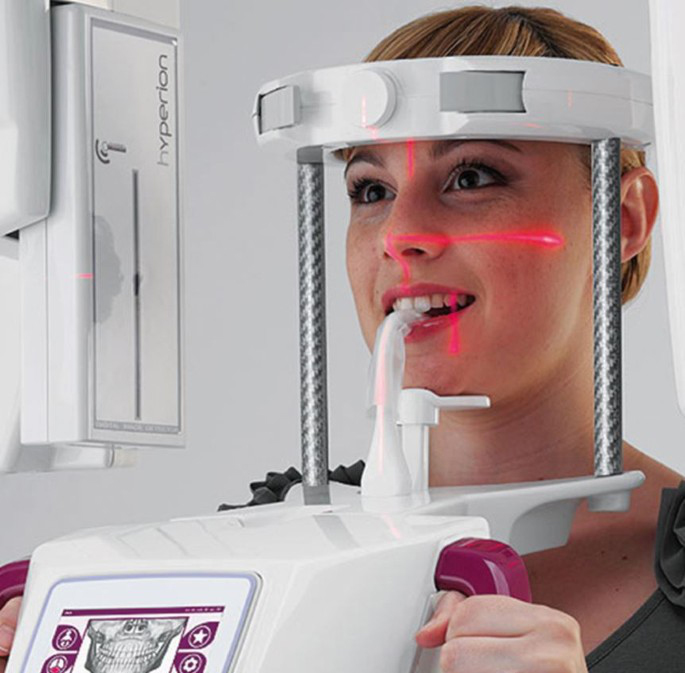
CBCT, or Cone Beam Computed Tomography, is an X-ray scan technology that provides three-dimensional images of the jaw, teeth and surrounding structures. Here’s how 3D CBCT X-ray improves dental diagnostics:
Precise diagnosis:
Traditional 2D X-rays provide limited possibilities, while CBCT allows a detailed insight into all structures of the oral region. This helps dentists diagnose problems such as infections, tumors or bone problems.
Implant planning:
When it comes to placing dental implants, precision is key. 3D CBCT X-ray allows surgeons to plan placement of the implant in detail, ensuring optimal position and procedure safety.
Surgical planning:
Surgical procedures, such as wisdom tooth extraction or implant placement, require careful planning. 3D CBCT X-ray provides a detailed view of the anatomy, helping surgeons to precisely plan and perform procedures.
2. Intraoral scanners: Fast and painless smile reconstruction
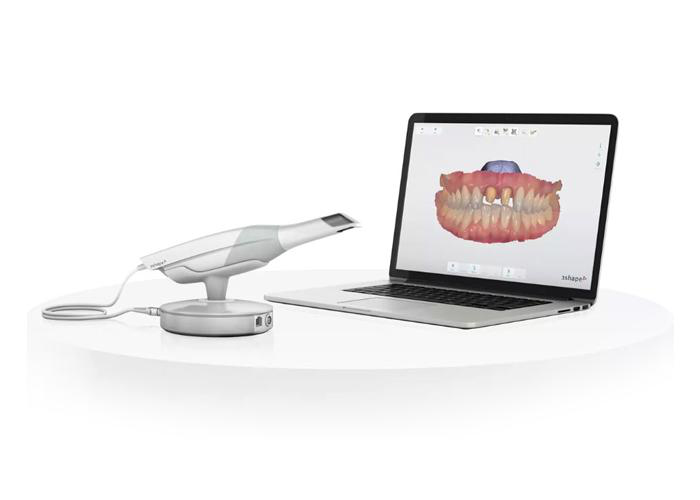
Intraoral scanners are modern devices that replace traditional imprints with plaster, enabling faster and more pleasant smile reconstruction. Here are some of the advantages of these innovative devices:
Quick digital imprints:
Intraoral scanners use digital technology to quickly capture the details of your teeth. This process eliminates the need for uncomfortable and time-consuming imprints.
Precision in prosthetic manufacturing:
When it comes to making crowns, bridges or dentures, precision is key. Intraoral scanners provide accurate digital models, providing dental technicians with all the necessary information to create precise prosthetic work.
Better patient experience:
Patients appreciate the speed and convenience of intraoral scanners. Without unpleasant materials in the mouth, the process becomes less stressful and more pleasant.
The future of dental care
3D CBCT X-rays and intraoral scanners are just some of the innovations shaping the future of dental care. These technologies not only enable more accurate diagnosis and treatment, but also improve the patient experience, making dental visits more pleasant and efficient. With these technological advances, the future of smiles looks bright and precise.